Guide
What is a pharmaceutical reverse distributor?
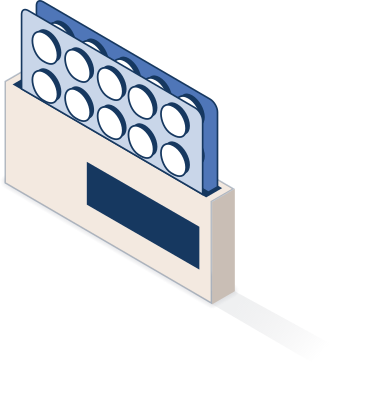
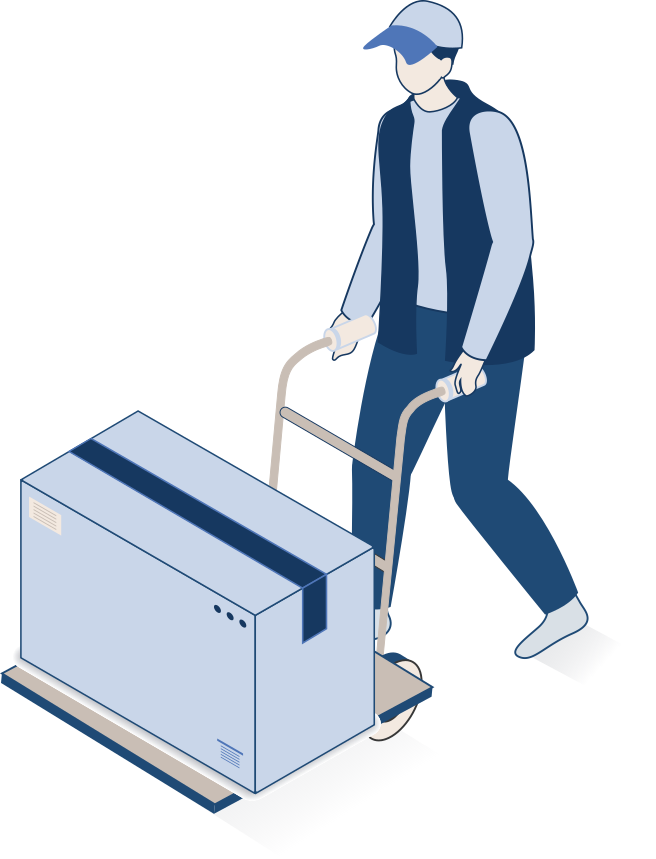
A pharmaceutical reverse distributor is a company licensed by the state and registered with the DEA to take back saleable and non‑saleable medication from authorized dispensers, most often pharmacies. It returns what it can to manufacturers for credit and sends the rest to compliant destruction.



01
Why do pharmacies use a reverse distributor?
To recover the refunds their expired medication is still worth, without doing the legwork: a reverse distributor checks each product against its manufacturer's return policy, submits it for credit and disposes of the rest compliantly.
Pharmacies and health care facilities accumulate medication they won't dispense before it expires. A reverse distributor processes these saleable and non‑saleable products for credit, or disposes of them compliantly so they leave the distribution channel for good.
A licensed reverse distributor can handle pharmaceutical products, controlled substances included, to arrange credit or disposal for unwanted, unusable or outdated pharmaceuticals and hazardous waste. The DEA requires any company that reverse distributes controlled substances to hold a DEA registration as a reverse distributor.
02
What does a pharmaceutical reverse distributor do?
It manages returns and recalls, verifies and sorts what comes back, processes credits, destroys what can't be returned and keeps the records that prove every step was compliant.
Returns and recall management
Handles the return of expired, damaged or recalled products from pharmacies, hospitals and other facilities, in line with the rules for handling and disposing of them.
Verification and sorting
Verifies the authenticity and condition of each returned product, then determines whether it goes back to the manufacturer for credit or on to disposal.
Credit and reimbursement
Manages the financial side of returns, including the credits and reimbursements owed to pharmacies and other purchasers for acceptable products.
Regulatory compliance
Follows the federal and state rules for handling, transporting and disposing of pharmaceutical products, controlled substances included.
Documentation and reporting
Keeps detailed records of returned products, including lot numbers, expiration dates and reasons for return, and reports to manufacturers and regulators.
Destruction and disposal
Oversees the secure, environmentally responsible destruction of products that can't return to the market, with controlled substance destruction witnessed and documented.
Consultation and education
Advises facilities, pharmacies and manufacturers on handling returns and pharmaceutical waste, and keeps them informed about regulatory changes.
03
What is reverse distribution for pharmaceuticals?
Reverse distribution is the flow of medication back up the supply chain, from the pharmacy or facility to the manufacturer or a designated processor, the opposite of the usual path to the patient.
Done well, it helps pharmacies recover value and reduce waste, keeps counterfeit and unsafe drugs out of the market, and keeps every step within regulatory and environmental standards. Four situations usually start it.
- Product returnsExpired, damaged or short‑dated product, returned for credit where the manufacturer's policy allows.
- RecallsAffected product retrieved from the market after a recall or safety issue.
- Excess inventoryOverstock returned to manage inventory levels and free up cash.
- End‑of‑life productProduct that can't be used or resold, destroyed compliantly and responsibly.
04
Who regulates pharmaceutical reverse distributors?
The DEA registers reverse distributors that handle controlled substances, the EPA sets the standards for hazardous waste pharmaceuticals, and states license reverse distributors under rules that vary from one state to the next.
- DEA. Reverse distributors of controlled substances must be registered as such (21 CFR 1317.15), and Schedule I and II products move on a DEA Form 222 (21 CFR 1305).
- EPA and RCRA. Hazardous waste pharmaceuticals are identified under RCRA (40 CFR 261) and managed under Subpart P, which sets standards for reverse distributors (40 CFR 266.510) and bans sewering (40 CFR 266.505).
- FDA. The Drug Supply Chain Security Act (21 USC 360eee) governs how prescription drugs are traced between trading partners.
- States. Each state sets its own licensing rules for reverse distributors, often through its board of pharmacy.
05
How do you choose a pharmaceutical reverse distributor?
Confirm its DEA registration and the state licenses you need, then compare how it evaluates manufacturer policies, how and when it pays, and how much of the process you can see.
How Ecopharm does it
DEA‑registered reverse distributor with NABP Drug Distributor Accreditation
Every item checked against its manufacturer's return policy and priced with historical data and First Databank
The complete amount for your return on a single check within 90 days
A portal to download forms and labels, print reports, schedule pickups and track each return
A dedicated support representative who reviews your account regularly
Self‑service or on‑site rep service, controlled substances and disposal included
In their words
What pharmacies and practices say
Next questions
Before your first return
What qualifies for a return?
Each manufacturer sets its own returnable window. As a rule of thumb, product within 6 months before its expiration date and up to 12 months after it is generally eligible. We check every item against its manufacturer's policy, and anything that can't be credited is routed to compliant disposal.
Does Ecopharm handle controlled substances?
Yes. When you return controlled substances, our software prompts them as a separate inventory. Count or measure each item to the exact amount. Once you submit the return, Ecopharm sends you a C2 Kit containing your DEA Form 222 and a return shipping label. Package the product carefully and include a copy of your inventory and a copy of your DEA Form 222.
How long must DEA Form 222 records be kept?
Two years. DEA Forms 222 must be kept available for inspection for two years (21 CFR 1305.17). A form is valid for 60 days after it is executed, so ship your Schedule II return promptly once your C2 Kit arrives.
When can I expect payment for my return?
Ecopharm streamlines this by sending you a single check for the entire return within 90 days. Send us a note or give us a call for further details.
More guides
Keep reading from the returns desk
Guide · Maximizing returns
How do you maximize pharmaceutical returns?
Return product inside its manufacturer's window, review inventory every quarter, check the fridge, keep packaging intact and leave patient labels on.
Guide · Packaging guidelines
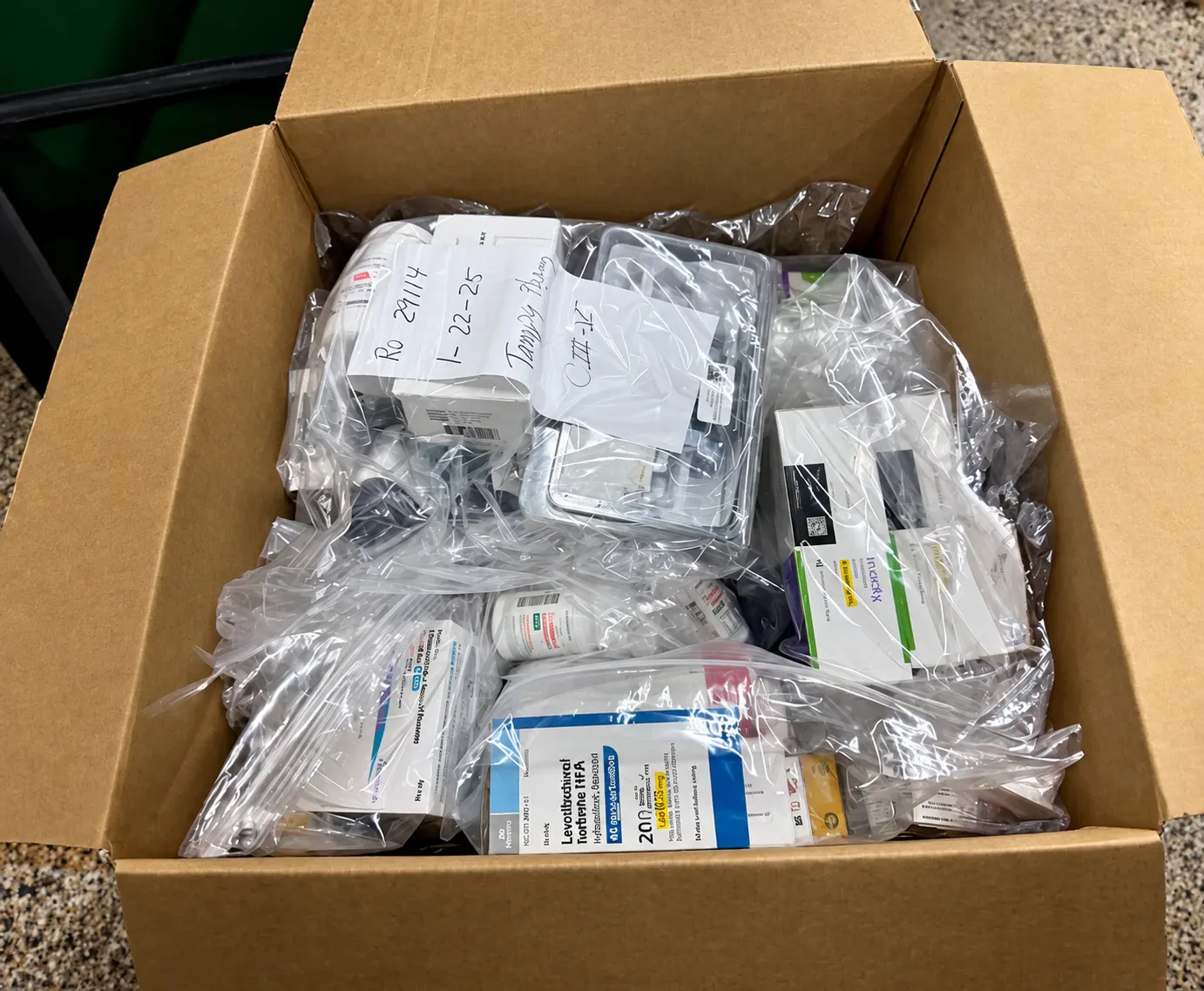
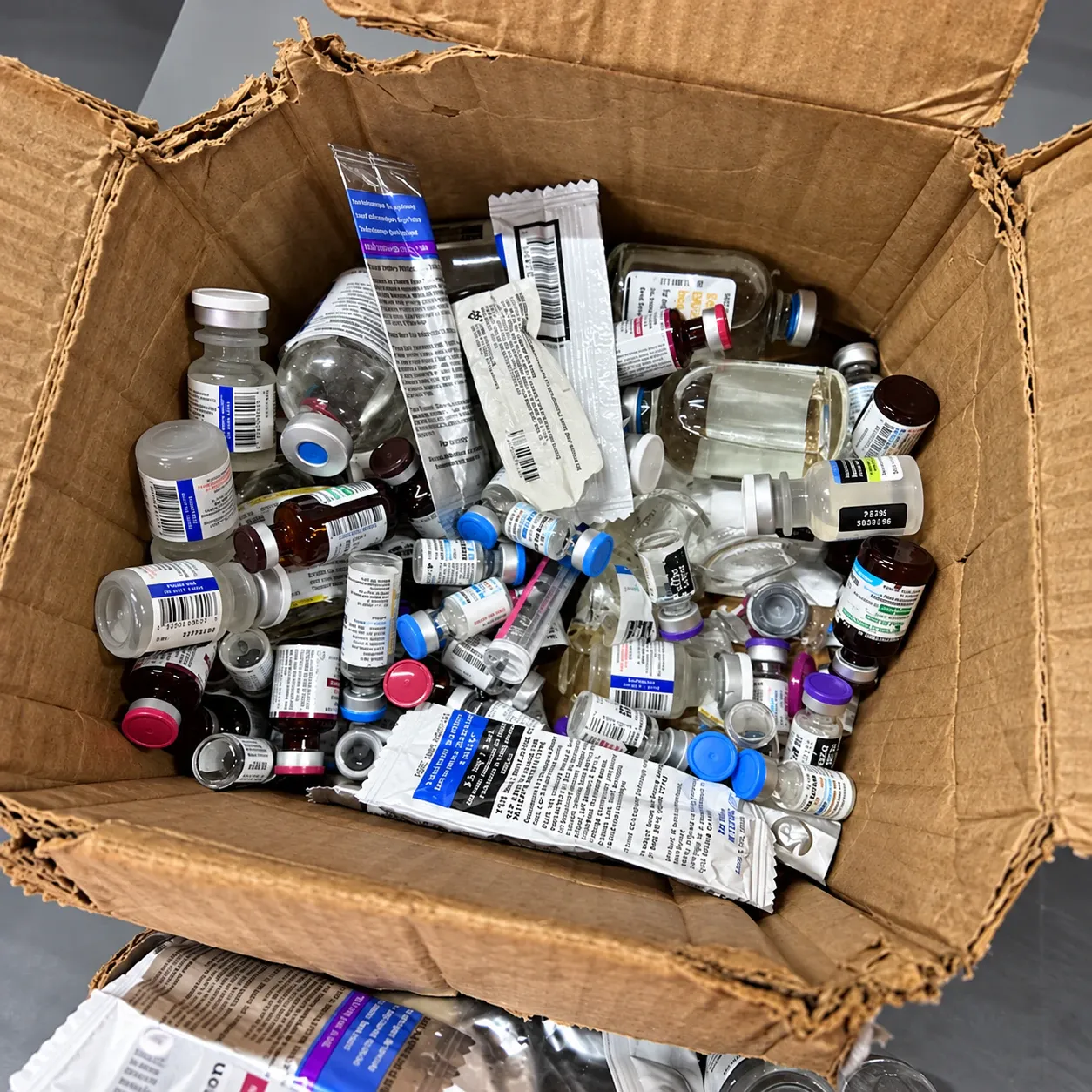
How do you pack a pharmaceutical return?
Keep product in its original packaging, use a sturdy box under 20 lbs, bag liquids, pad glass and ship Schedule II items separately with their DEA Form 222.
Get started
Let the returns begin
Send us your facility info, State License and DEA certification. Our customer service team will quickly verify your credentials and set up a demo of the software for your staff.